Grant’s Top 10 Books of 2025
In the Marine officer corps, it was drilled into our heads that readers are leaders. Indeed, those who lead never arrive at a point where they can be satisfied with their current knowledge and abilities. To lead well, one must be willing to learn—and that most often means the discipline of reading. In many ways, we are marked by the ideas and narratives we take in.
I love having a book with me—on the plane, at the bedside at night, and even at the gym in my ears. Here are my top ten reads from 2025, along with a bit of the story behind each one.
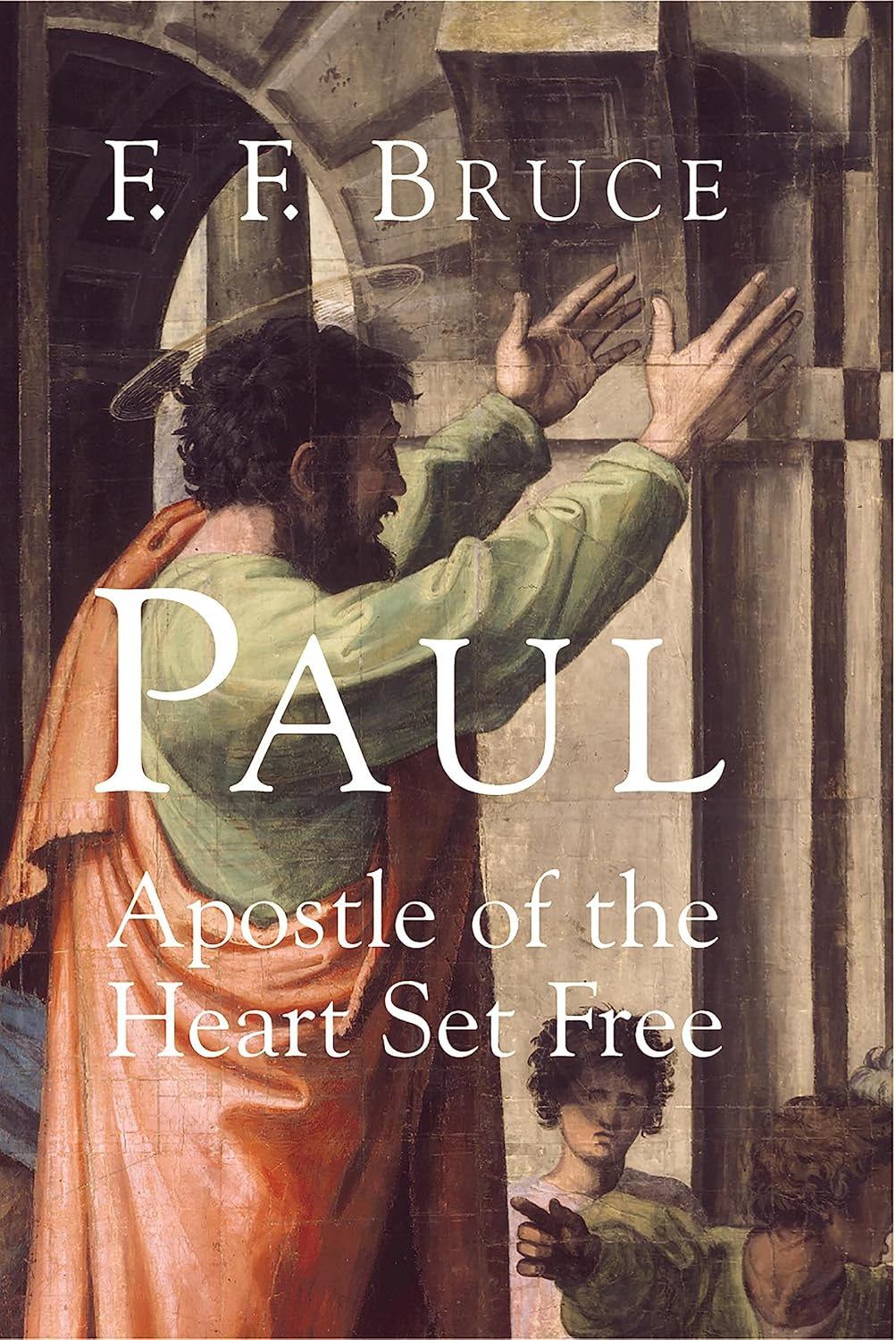
Paul: Apostle of the Heart Set Free
F. F. Bruce
This past October, I led a trip to Greece and Turkey to follow in the footsteps of Paul. This classic work by famed evangelical New Testament scholar F. F. Bruce (1910–1990) proved pivotal, alongside N. T. Wright’s biography of Paul. In many ways, Wright’s work stands on the shoulders of Bruce.
After reading this book, I felt as though I understood Paul in a way I never had before—particularly the insights into Paul’s early years and his later interactions with the Corinthians. While on the Greece trip, I returned each evening to read the chapters corresponding to the places we would visit the next day. If you want to understand the most influential apostle, this is a truly great book.
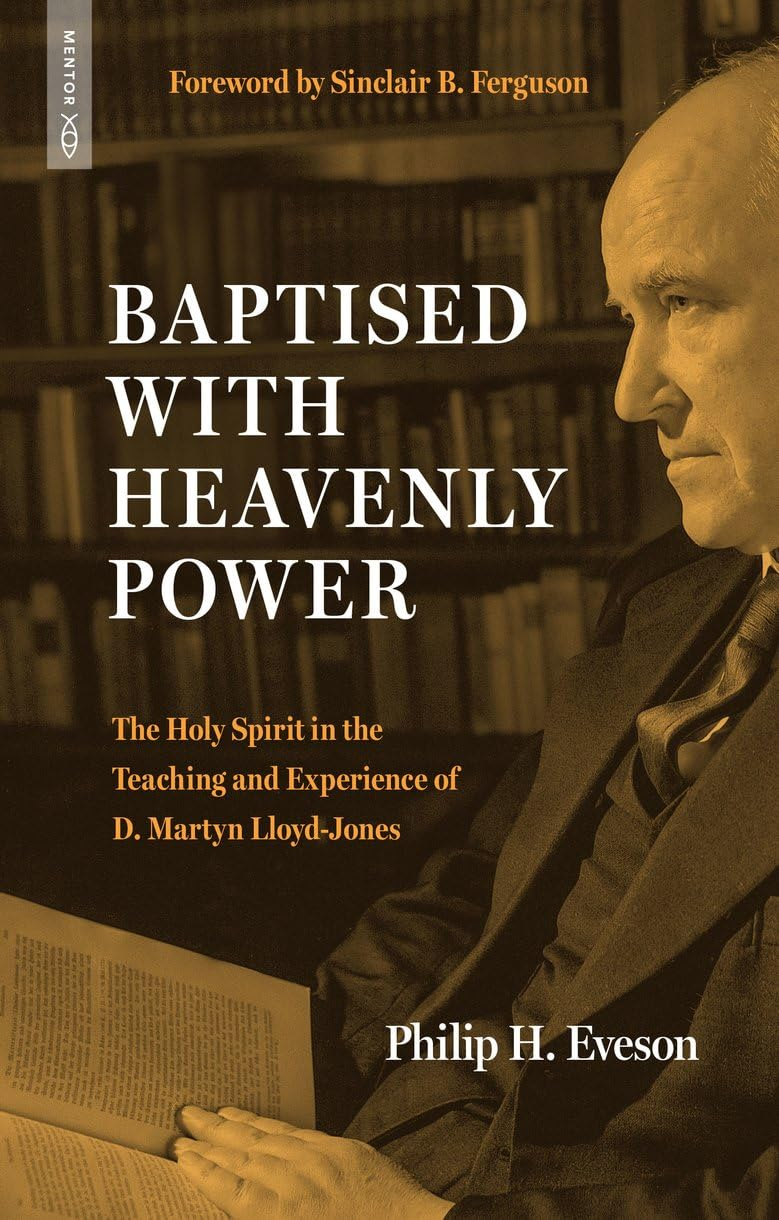
Baptized with Heavenly Power
Philip H. Eveson
This past year, I successfully defended my Ph.D. dissertation on D. Martyn Lloyd-Jones, so much of my reading focused either on the Doctor himself or on works about him. This recent volume by Philip Eveson—British Old Testament scholar and former principal of London Theological Seminary—was published by Mentor in 2025.
Eveson writes with the advantage of having known Lloyd-Jones personally. I found this book especially helpful in understanding Lloyd-Jones’s teaching on the baptism of the Holy Spirit, tracing the development of his pneumatology both exegetically and historically. I read this book overlooking the North Carolina coast with my family—there are even grains of sand still tucked inside its pages.
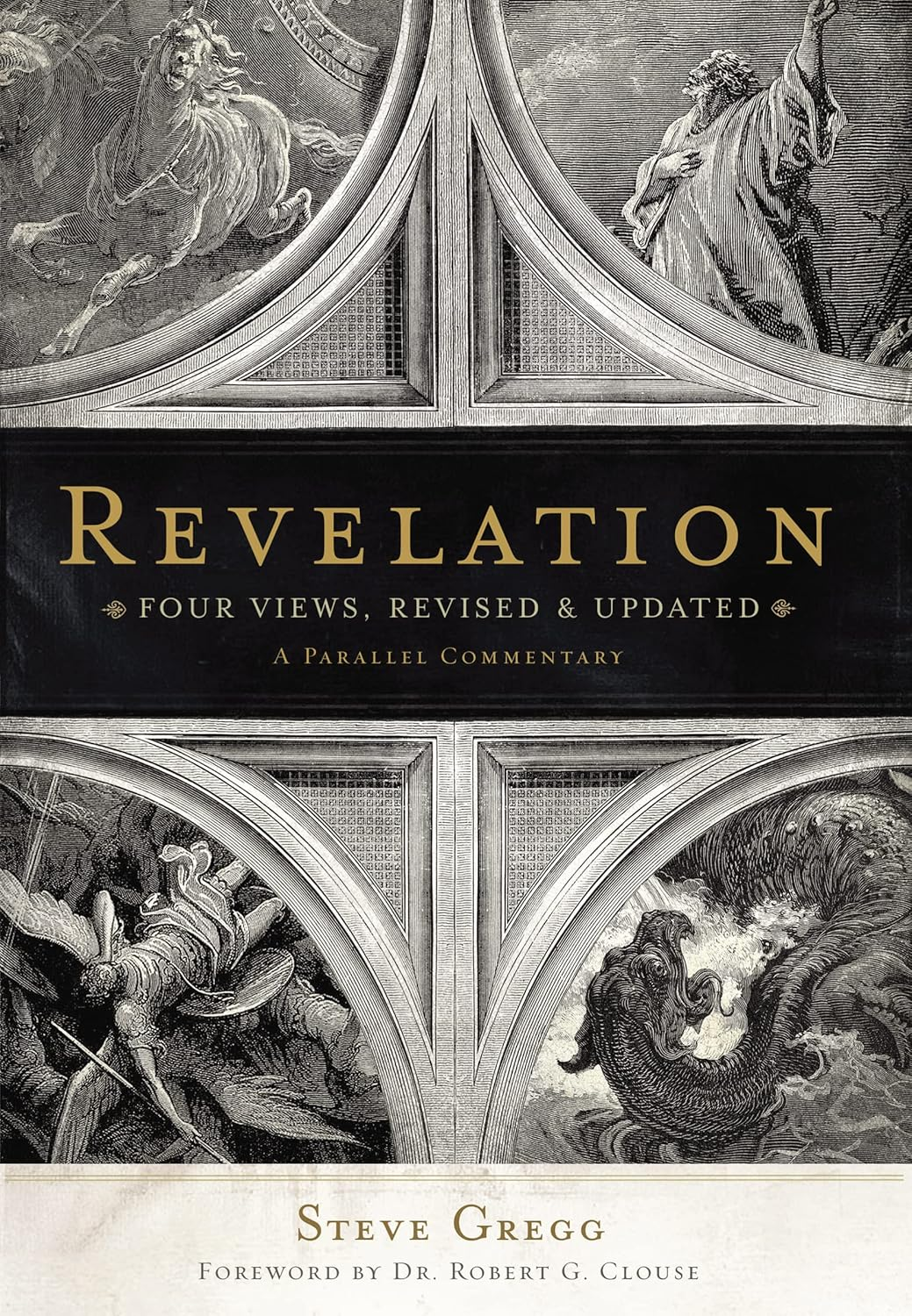
Revelation: Four Views Revised and Updated
Steve Gregg
I have been fascinated with Revelation ever since it was taught to me in a fifth-grade Sunday school class. I first learned it from a classic dispensational futurist perspective, though over time I’ve moved toward a historicist/idealist position.
A friend recommended this book as a way to understand the four major evangelical views: futurist, preterist, historicist, and idealist. Gregg provides verse-by-verse commentary from representative voices of each view, allowing the reader to see how leading interpreters throughout history have approached the text. It is an outstanding resource, and after reading it, I remained firmly convinced of an idealist/historicist approach—very much in line with Lloyd-Jones.
Jesus and Israel: One Covenant or Two?
David E. Holwerda
With Israel at the forefront of modern discussion, I returned to this classic by David Holwerda (1932–2022), longtime professor of New Testament at Calvin Theological Seminary. Though written by a scholar par excellence, the book is accessible to any thoughtful lay reader.
Holwerda demonstrates how Christ fulfills the promises made to Israel and, indeed, comes to represent Israel Himself. As a result, Old Testament promises must be read through the lens of Christ and New Covenant fulfillment—the very hermeneutic used by the apostles. This book is clear, careful, and deeply satisfying.
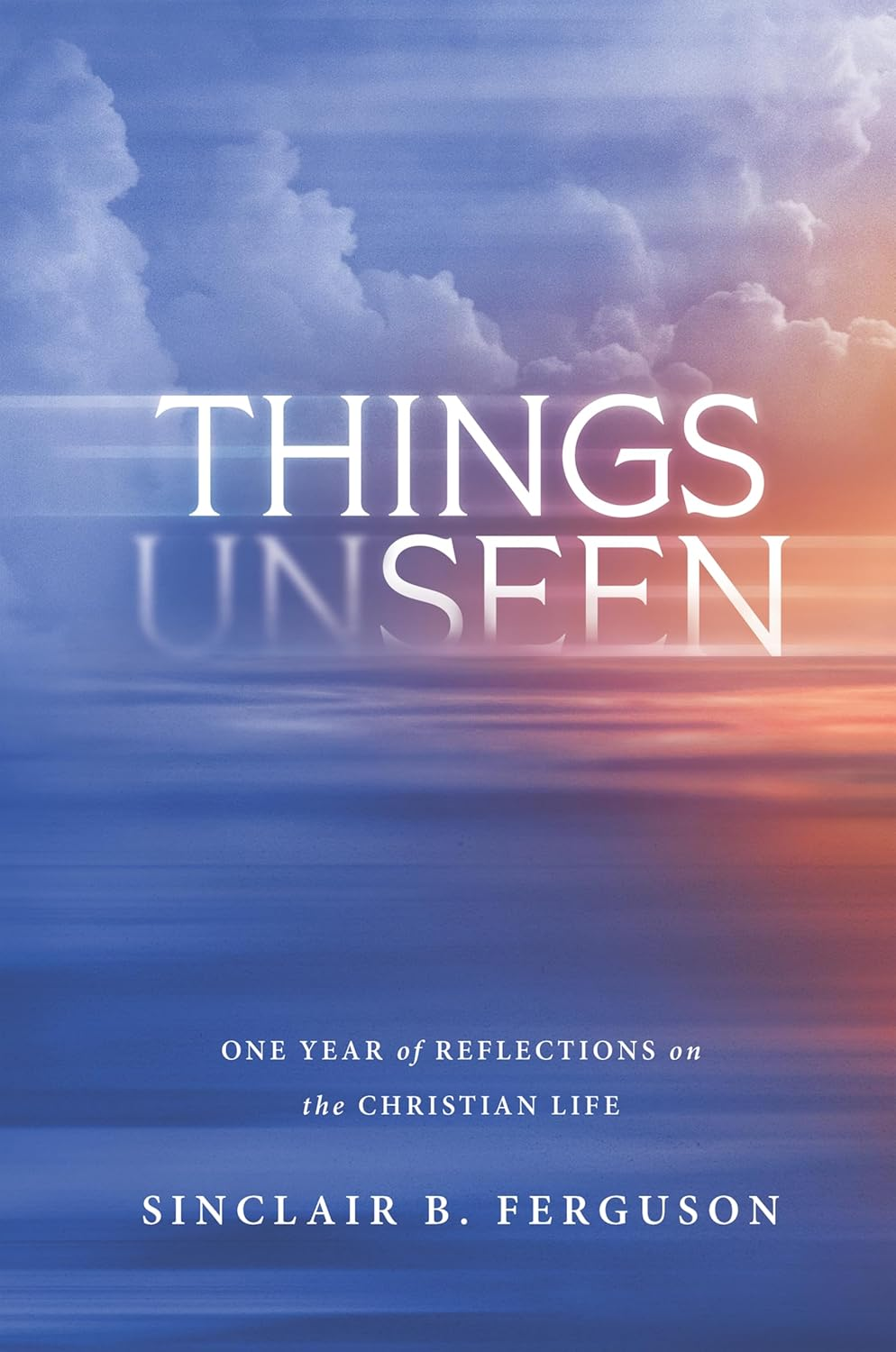
Things Unseen
Sinclair B. Ferguson
Our family has been reading these devotions together after dinner. Each week centers on a theme—The Lord’s Prayer, the Ten Commandments, Passion Week, the Trinity, and more. In typical Ferguson fashion, every entry offers something profound to ponder. A deeply nourishing devotional.
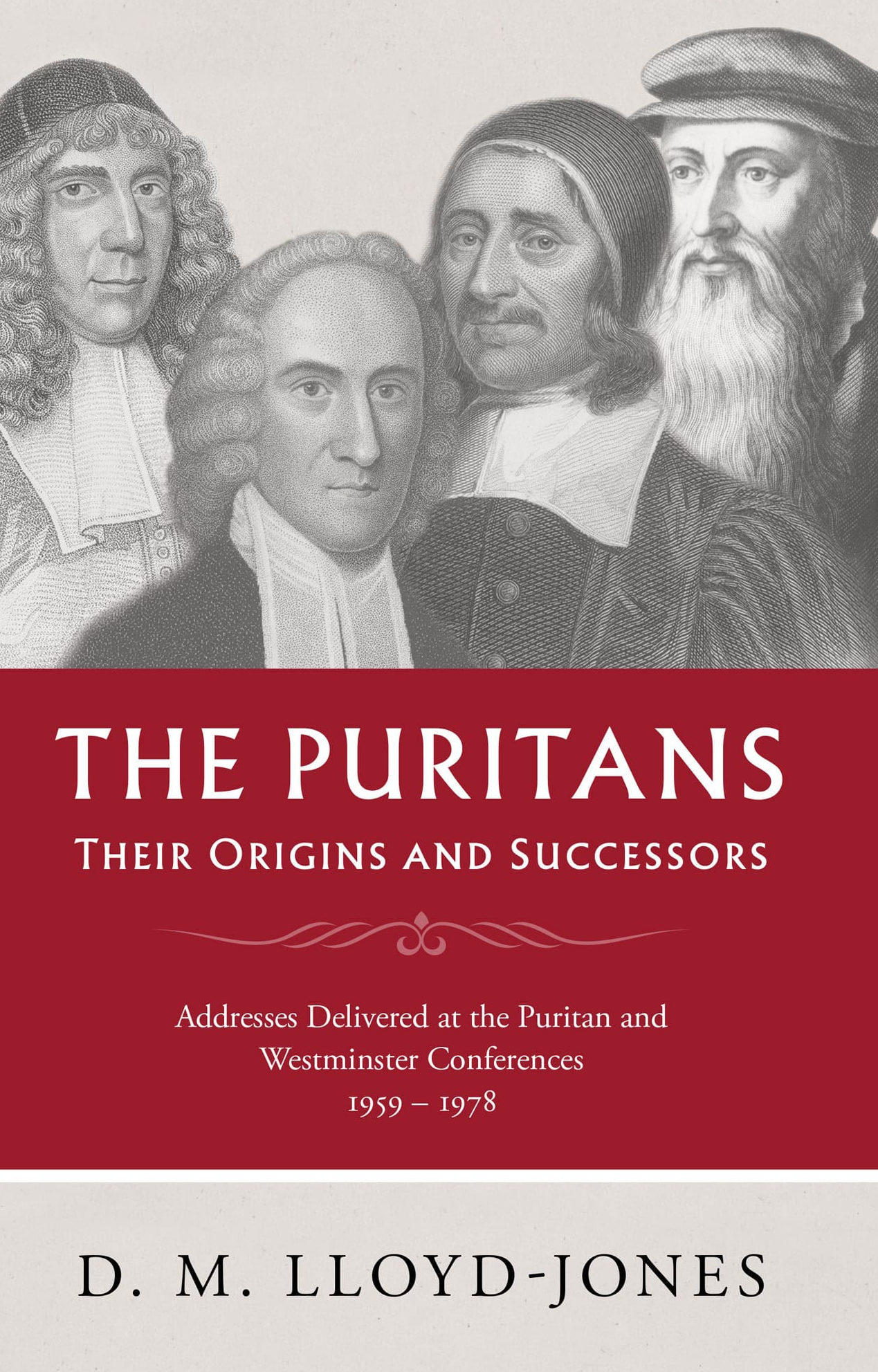
The Puritans: Their Origins and Successors
D. Martyn Lloyd-Jones
This volume contains the bulk of Lloyd-Jones’s lectures delivered at the Puritan and Westminster Conferences. For my doctoral work, I carefully studied every chapter. The book includes studies on Calvin, Edwards, Owen, Howell Harris, and many others.
Lloyd-Jones understood that history matters. He showed how much of the Christian life involves rediscovering the ancient paths (Jer. 6:16) and warned of the danger of neglecting them. This book argues—almost on every page—for a revival of historical theology in the modern church.
The MacArthur Study Bible
Legacy Standard Bible
At a Shepherds’ Conference, attendees received a leather-bound MacArthur Study Bible in the Legacy Standard Bible. I’ve used it consistently for my daily quiet times in the latter half of the year. The notes are excellent, and the LSB text is both literal and readable, preserving much of what I loved about the NASB95. A genuine joy to read.
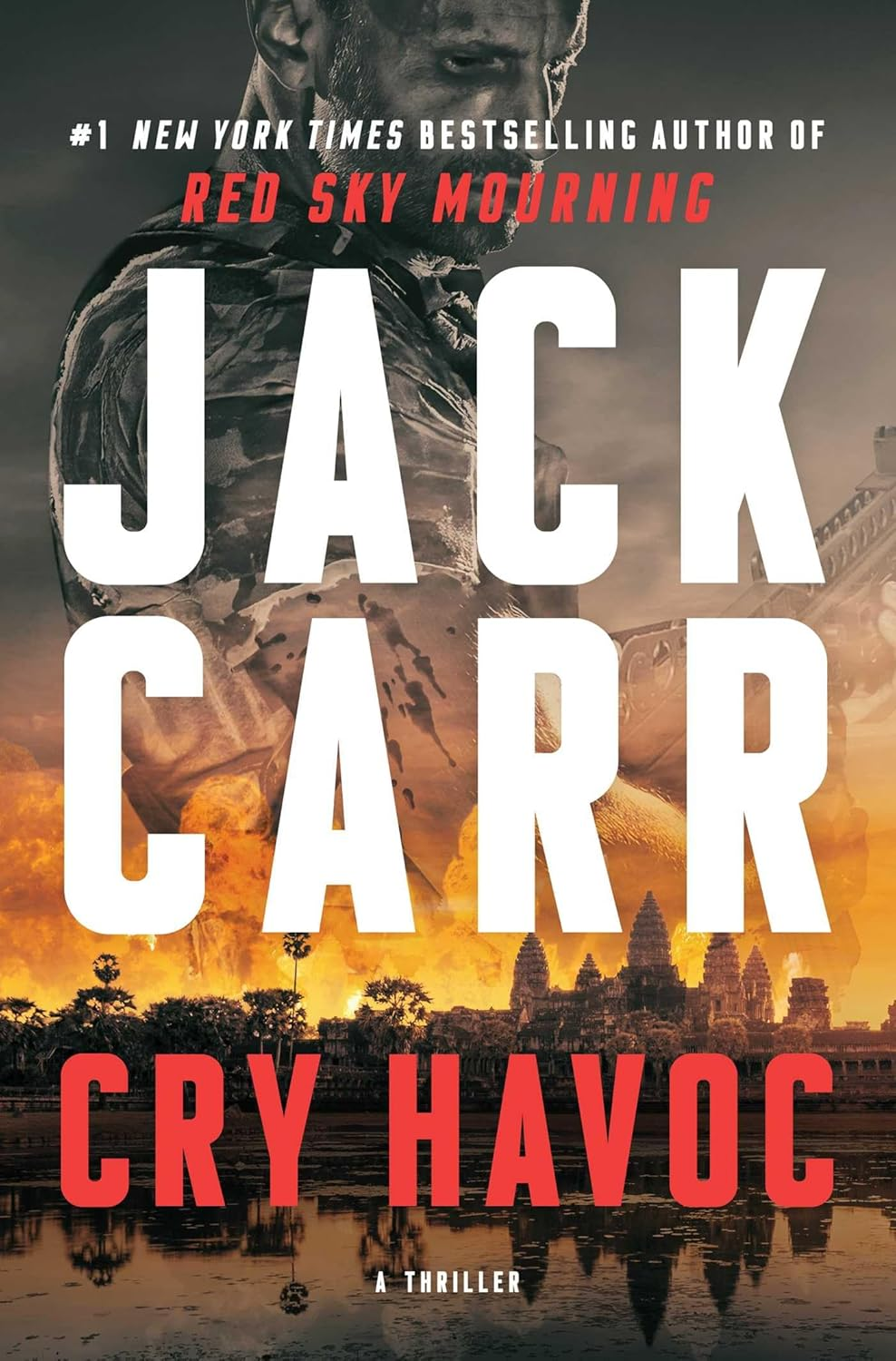
Cry Havoc
Jack Carr
I follow former Navy SEAL Jack Carr on Instagram and enjoyed The Terminal List. When Carr mentioned that this novel was inspired in part by Magnum P.I., I was immediately intrigued.
The book is a historical novel centered on special operations forces in the Vietnam War, with sharp insight into the political failures that hamstrung American troops. A word of caution: the book contains strong language, graphic violence, and some sexual content. That said, for readers interested in counterinsurgency and modern warfare, it is a compelling and informed read.
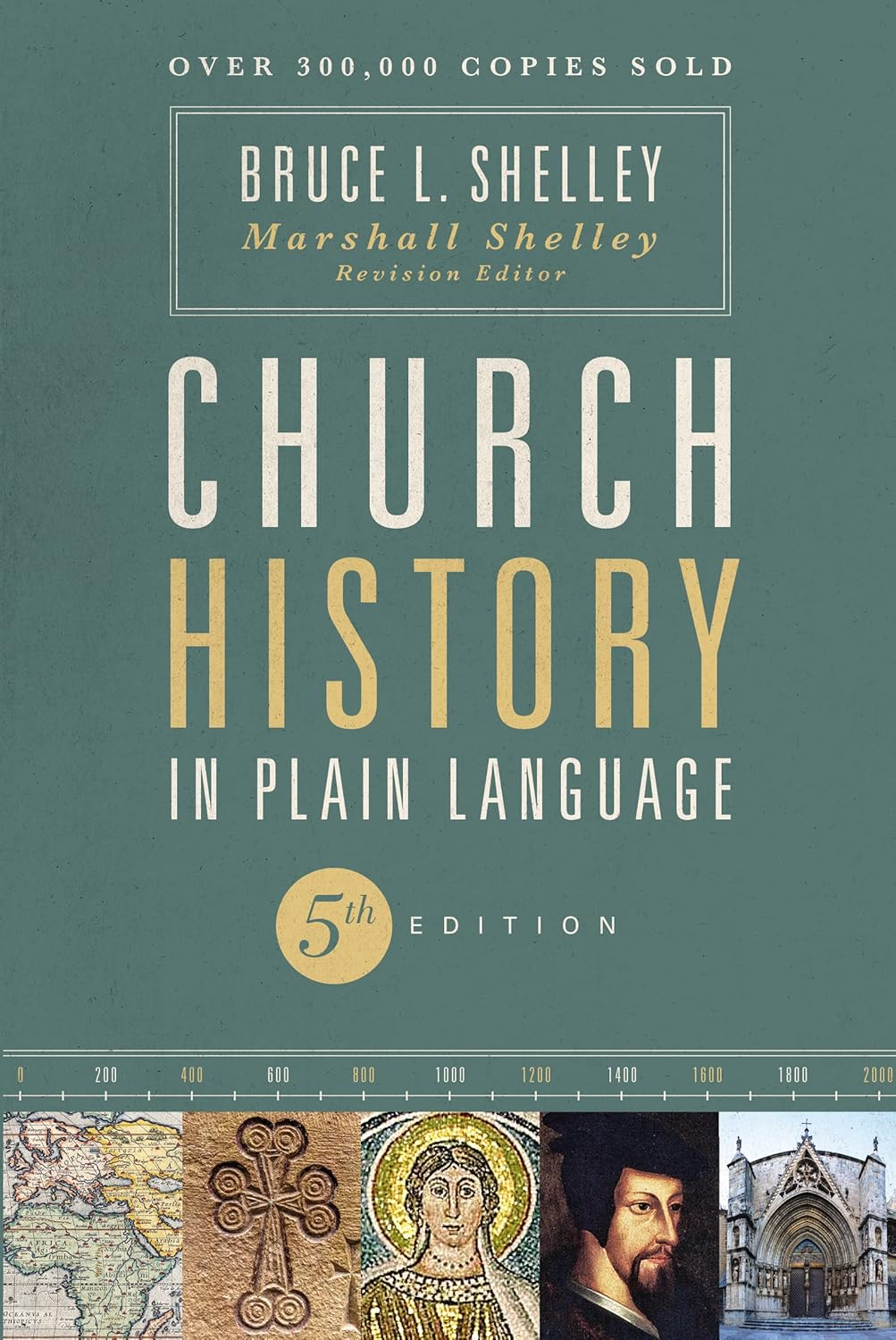
Church History in Plain Language
Bruce Shelley
Given to me in 2008, I shamefully waited far too long to read this book. Shelley (1927–2010) masterfully blends narrative and theology, providing a broad overview of church history without losing the forest for the trees. A superb introduction and refresher alike.
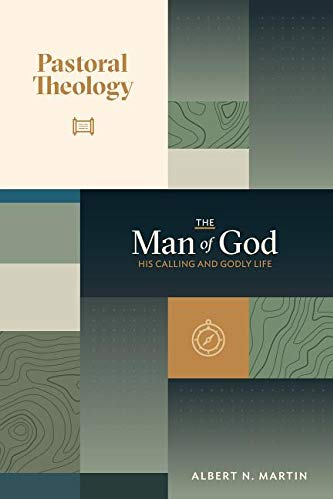
The Man of God
Albert N. Martin
Our church’s Shepherd’s Society has been working through this volume together. Though occasionally verbose, Martin presses deeply into what is required of a man called to pastoral ministry. The discussions it has sparked have been rich and formative. This entire trilogy is essential reading for pastors, elders, and Bible expositor.